
History and models
BMW
BMW (Bayerische Motoren Werke) began in Munich as a maker of aircraft engines, and its blue-and-white quartered logo echoes the colours of Bavaria. It built its first motorcycle in 1923 and its first car in 1928; today it makes cars under the BMW, MINI and Rolls-Royce brands, and motorcycles under BMW Motorrad.
Here is its history year by year: the brand’s milestones, how its logo has changed and the generations of every model Move has in its catalogue, cars and motorcycles alike, with specs and maintenance plan.
BMW models
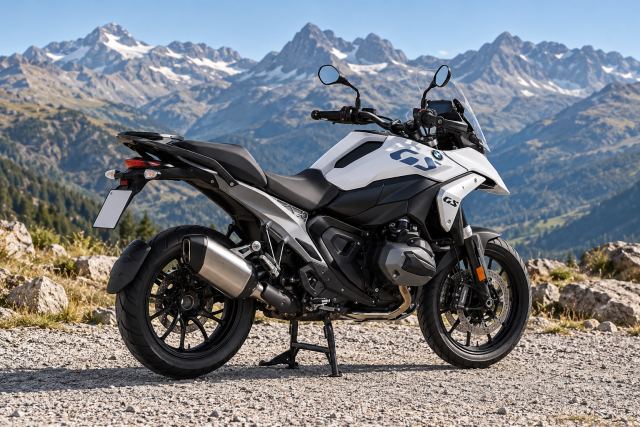
Each with its generation timeline, specs and maintenance plan.
Serie 02
1966–1977 · 2 generations · 16 versions
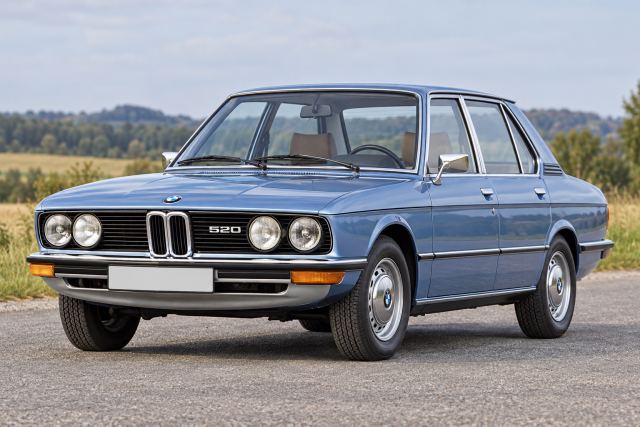
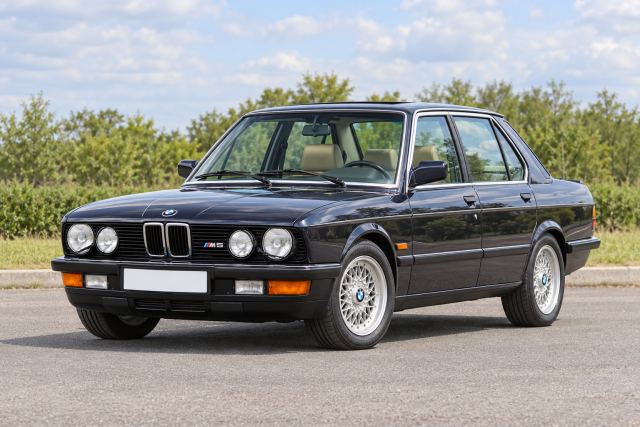
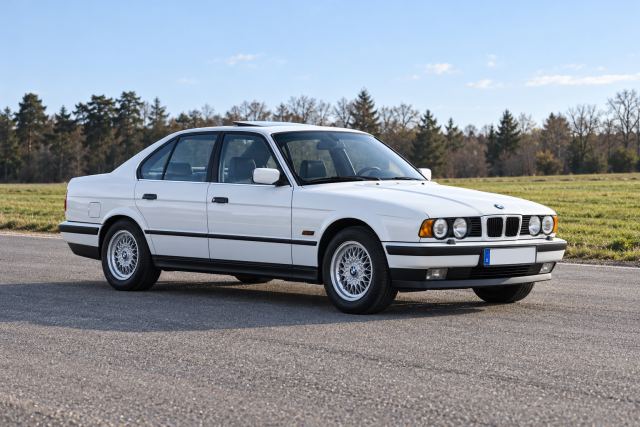
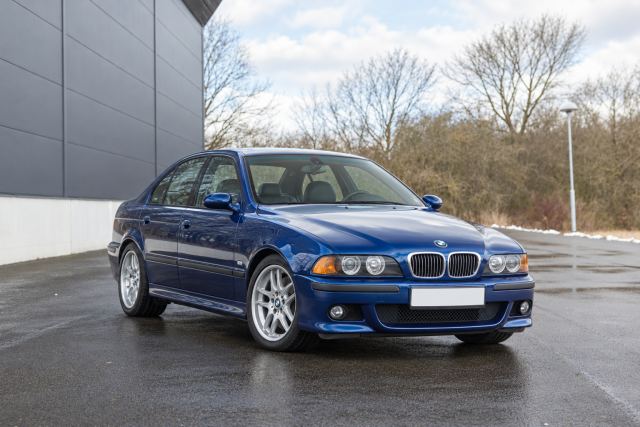
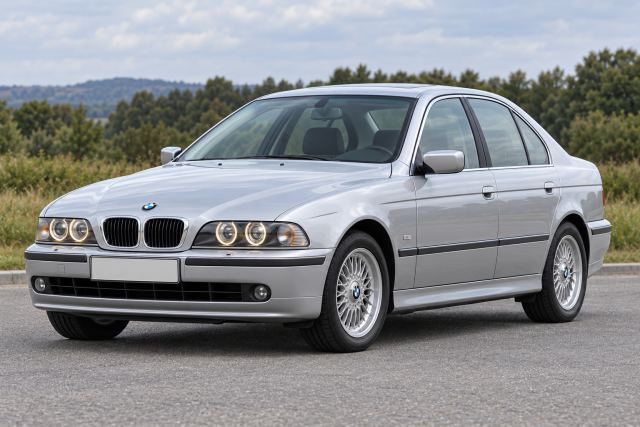
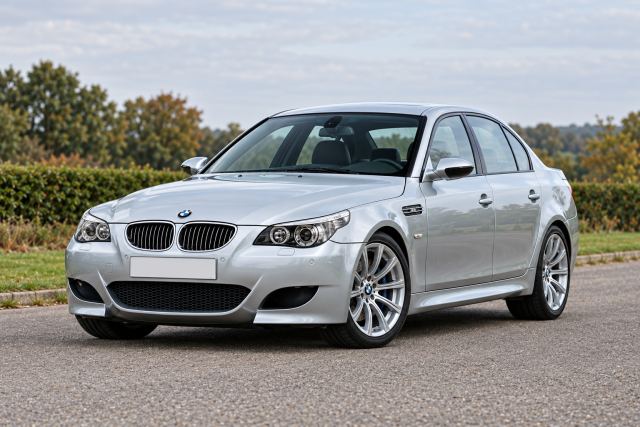
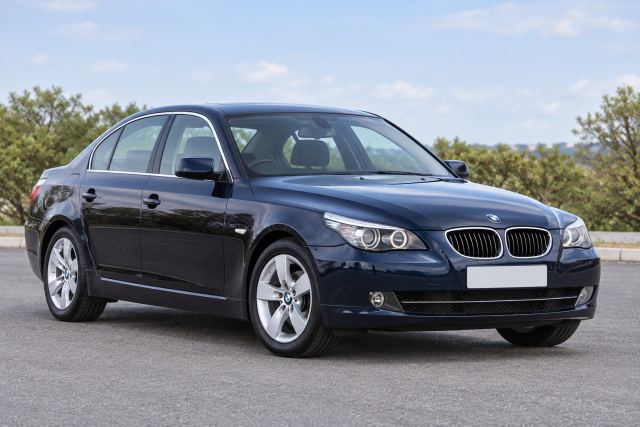
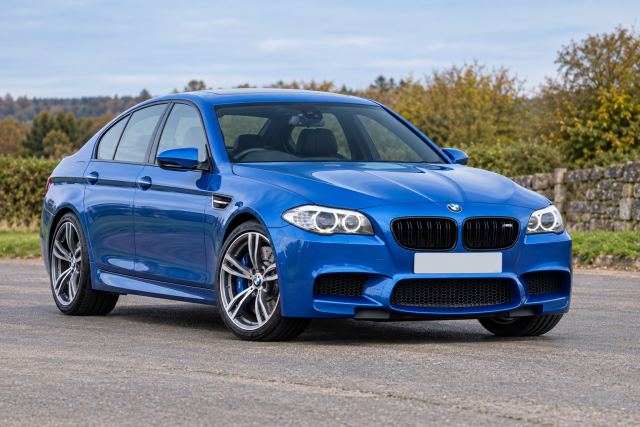
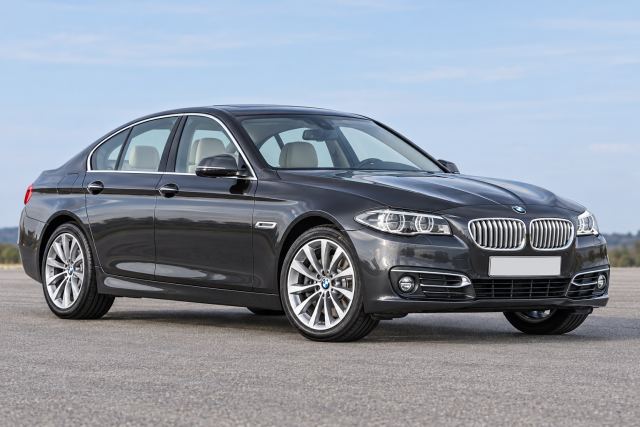
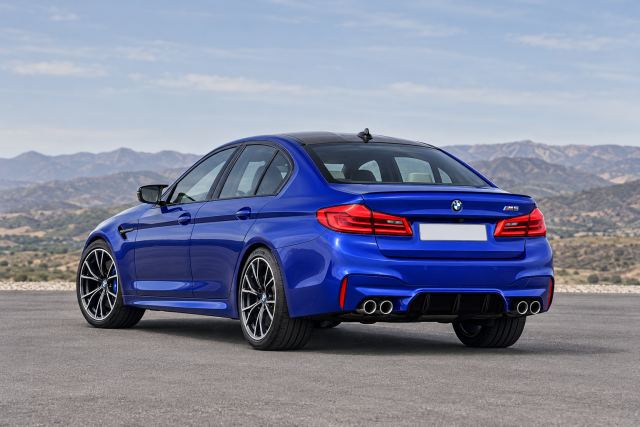
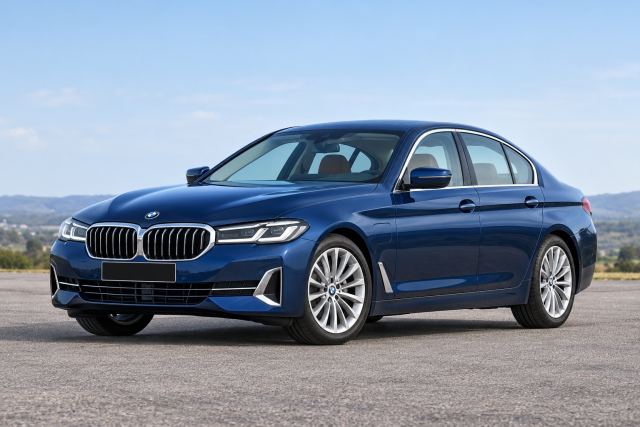
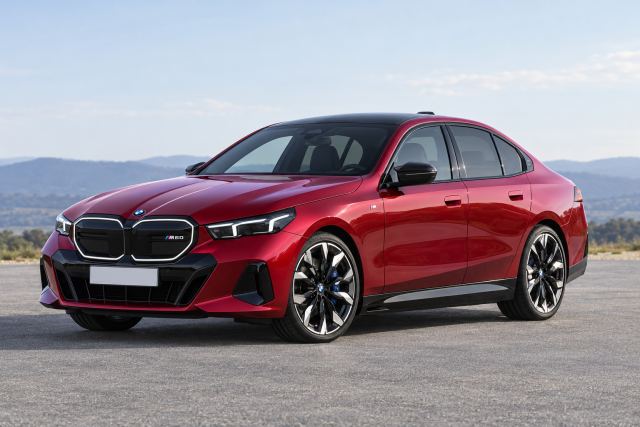 Serie 5
1972–today · 12 generations · 341 versions
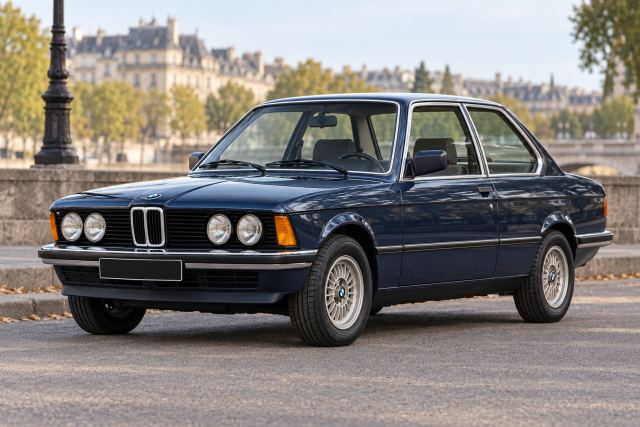
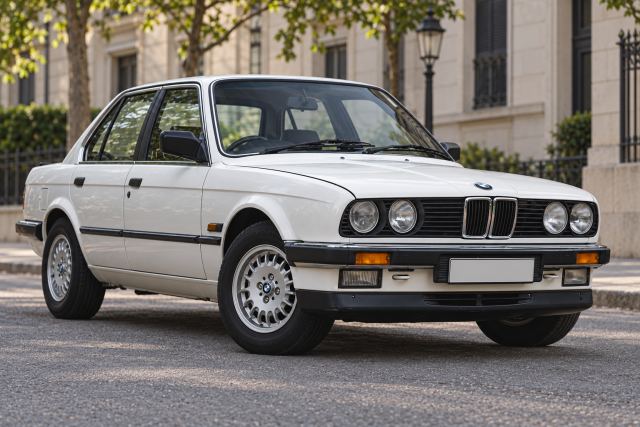
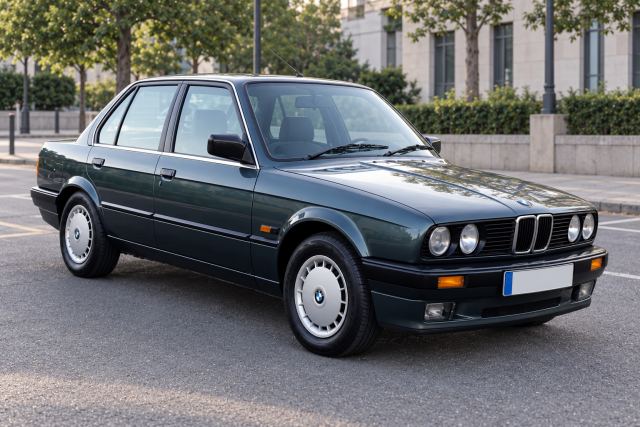
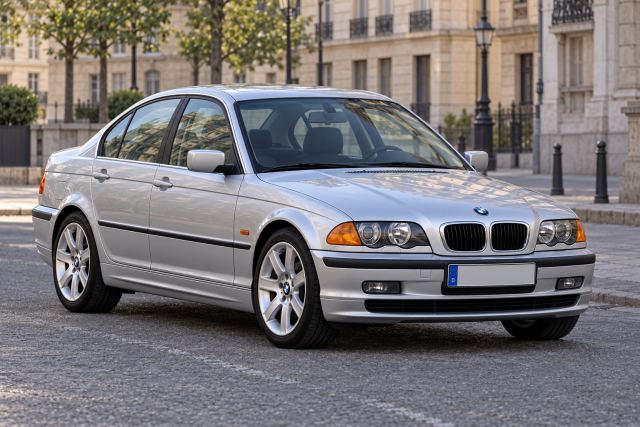
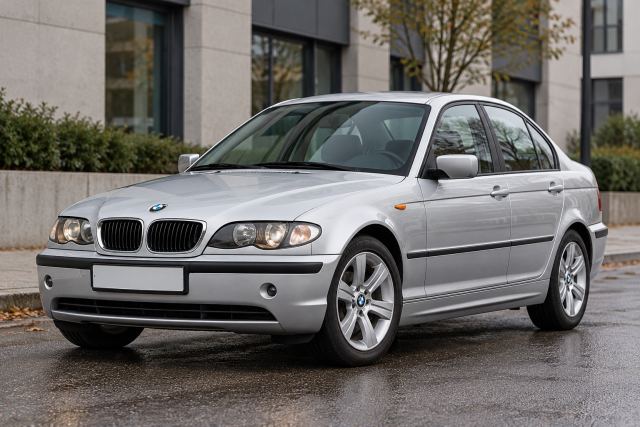
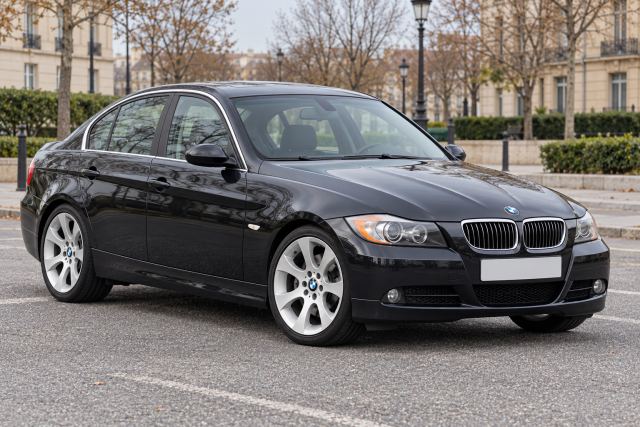
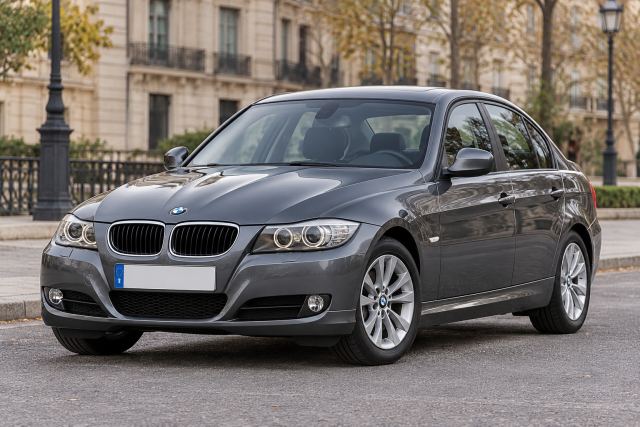
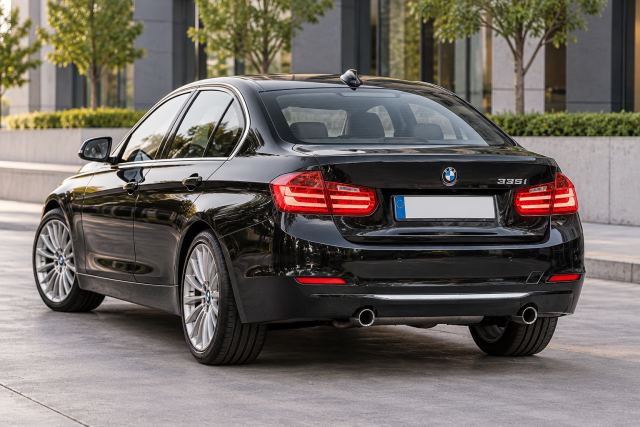
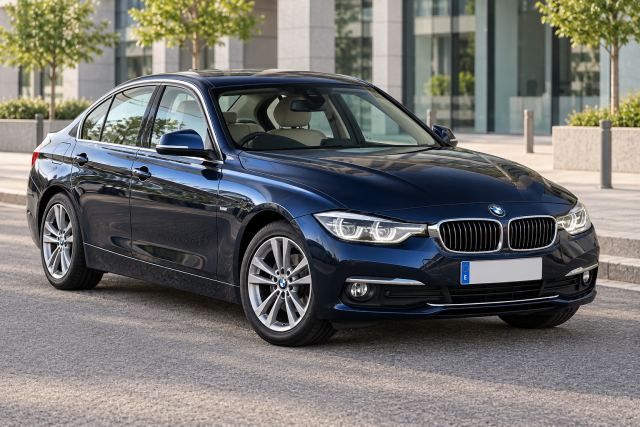
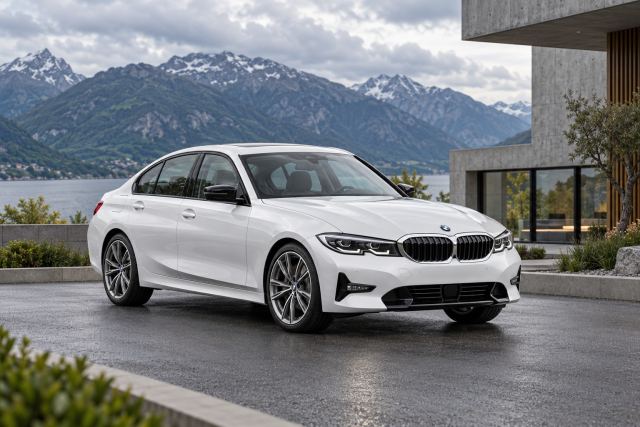
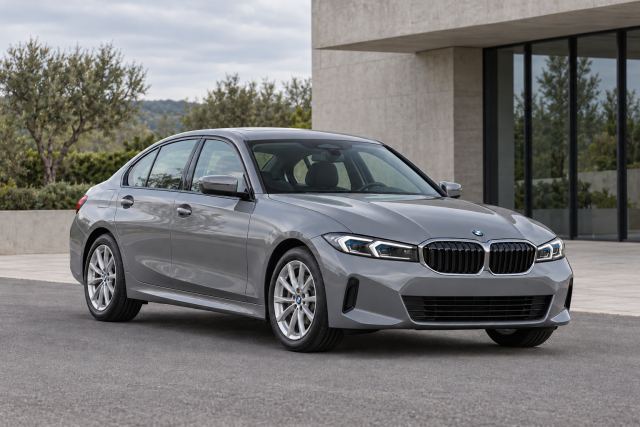 Serie 3
1975–today · 12 generations · 647 versions
Serie 6
1976–2023 · 7 generations · 92 versions
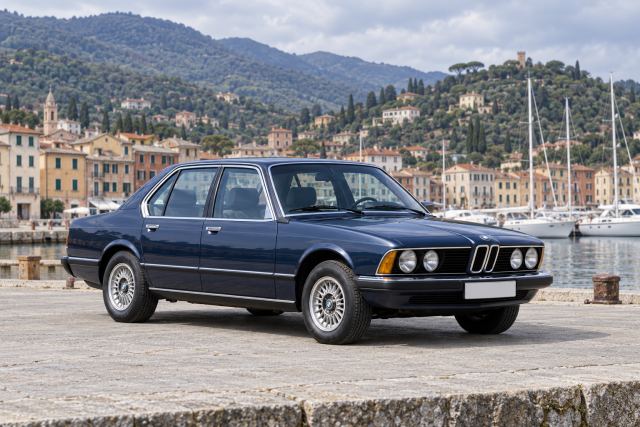
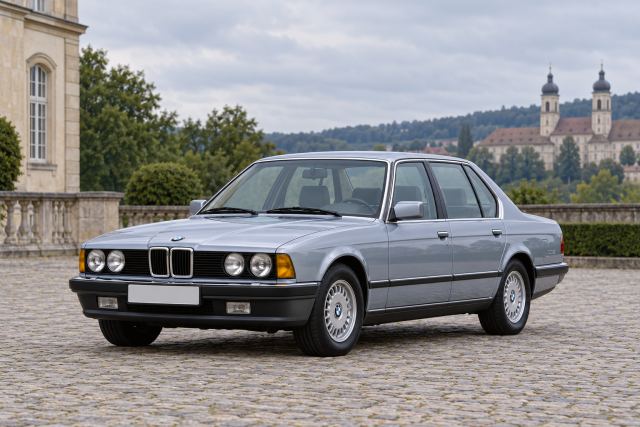
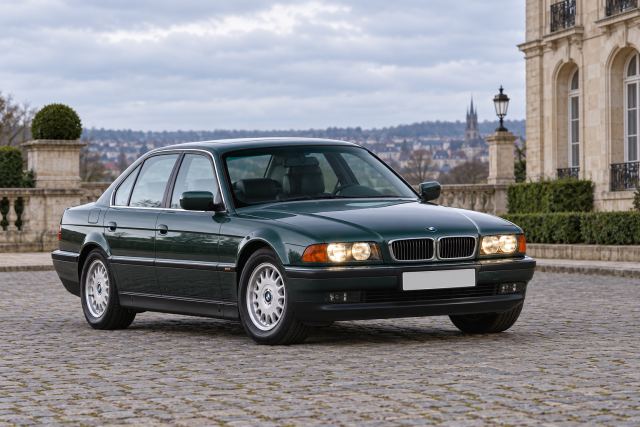
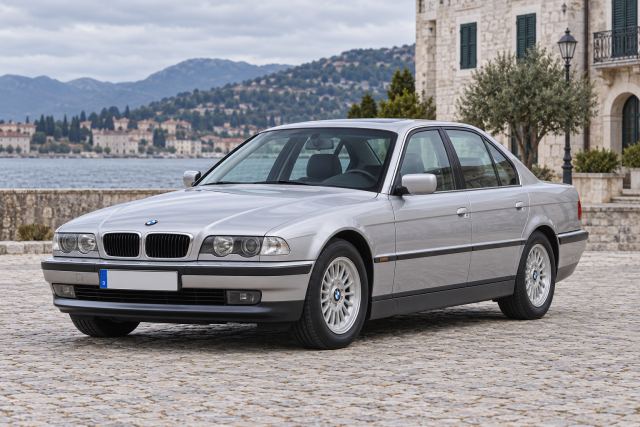
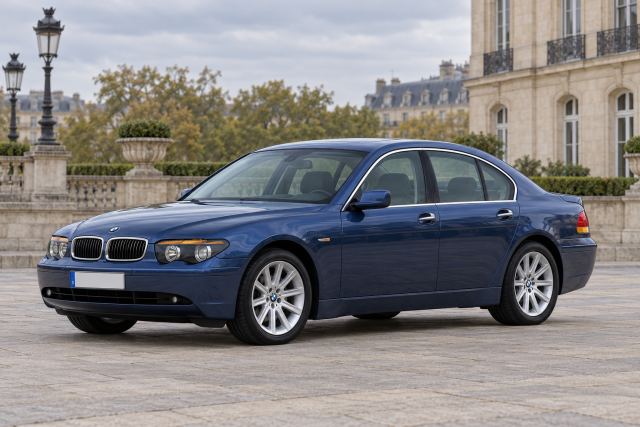
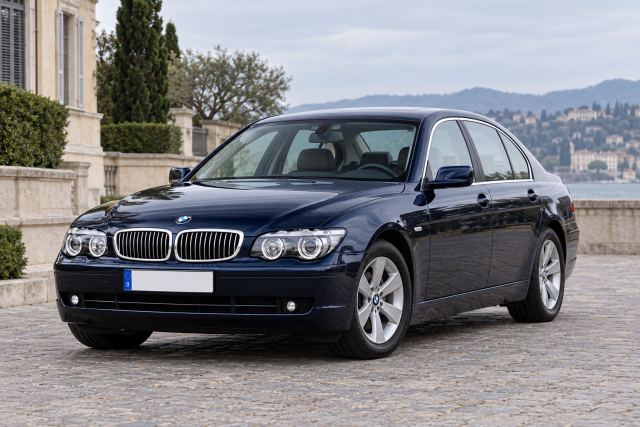
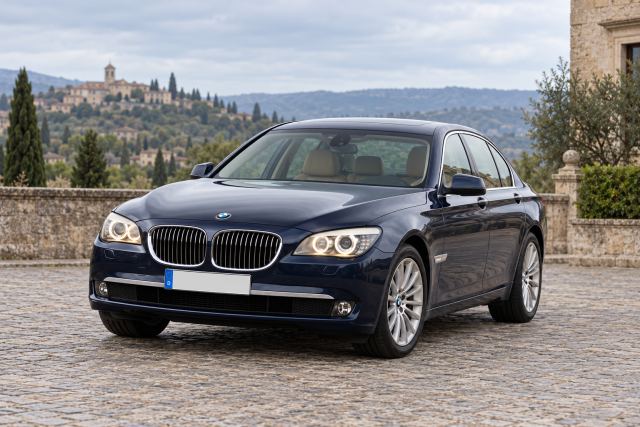
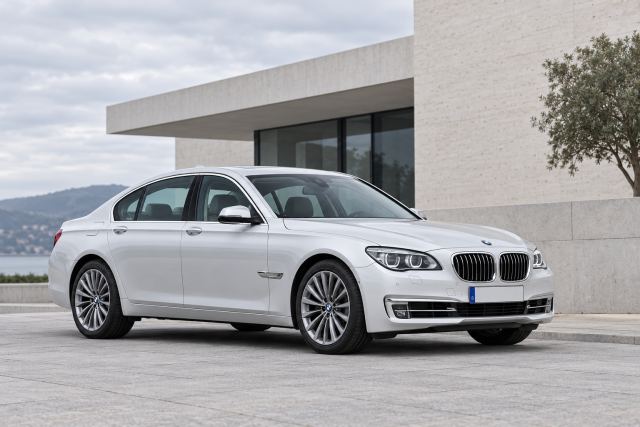
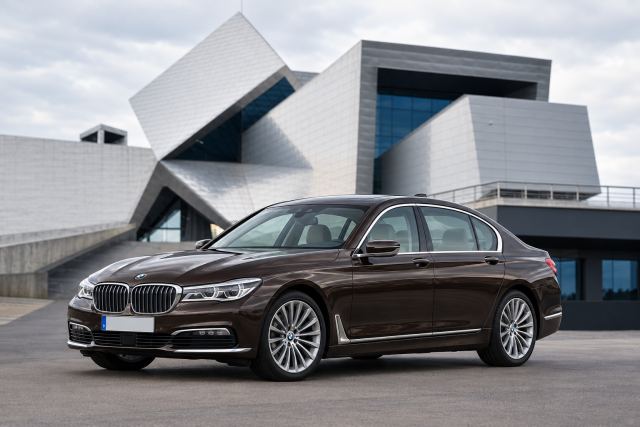
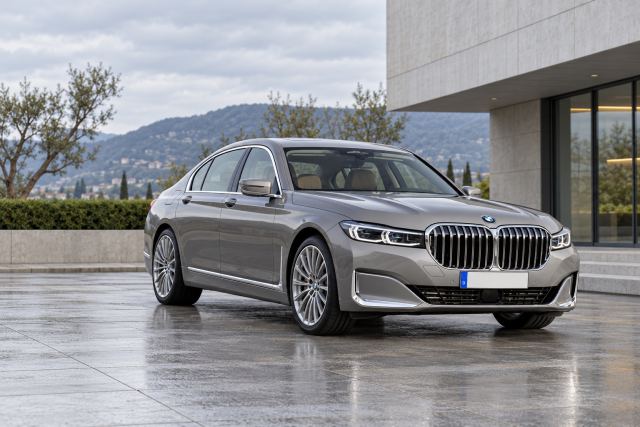
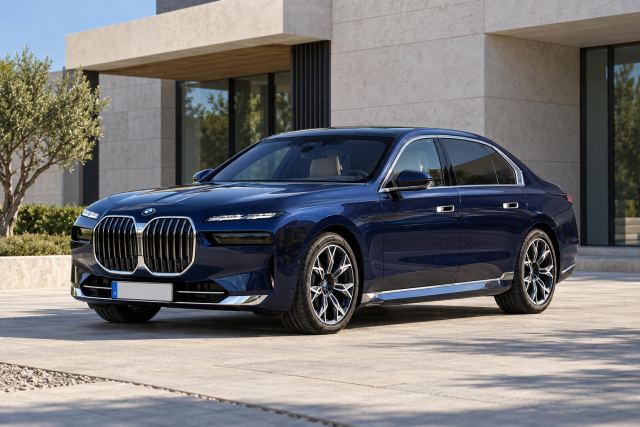 Serie 7
1977–today · 11 generations · 135 versions
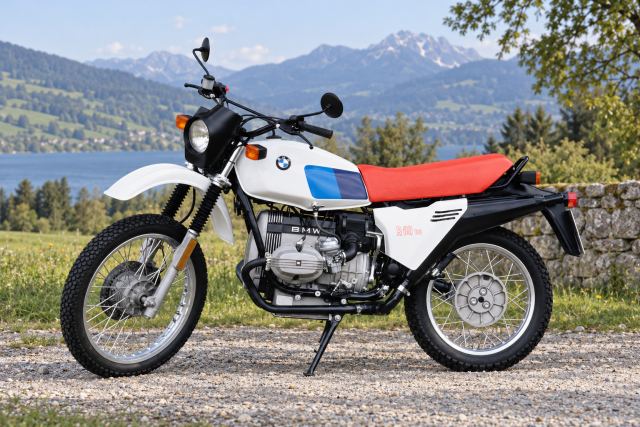
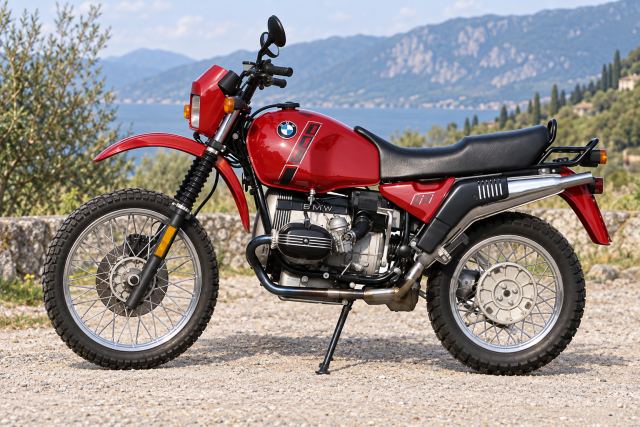
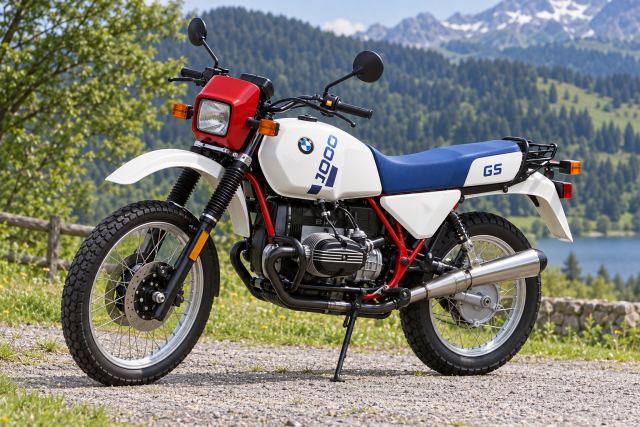
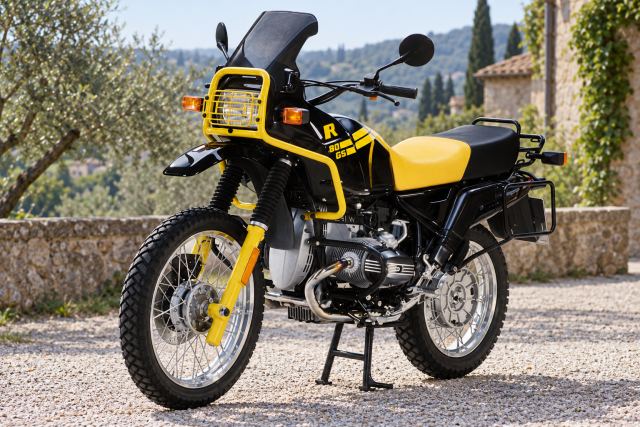 R 80 GS
1980–1996 · 3 generations · 5 versions
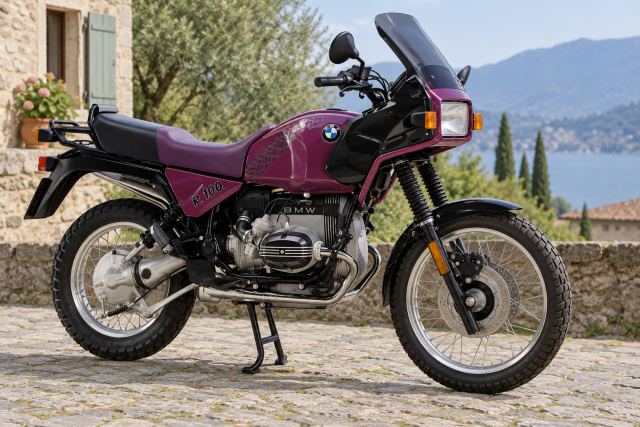 R 100 GS
1987–1996 · 2 generations · 4 versions
Serie 8
1989–2026 · 3 generations · 33 versions
R 1100 GS
1994–1999 · 1 generation · 2 versions
Z3
1995–2002 · 2 generations · 16 versions
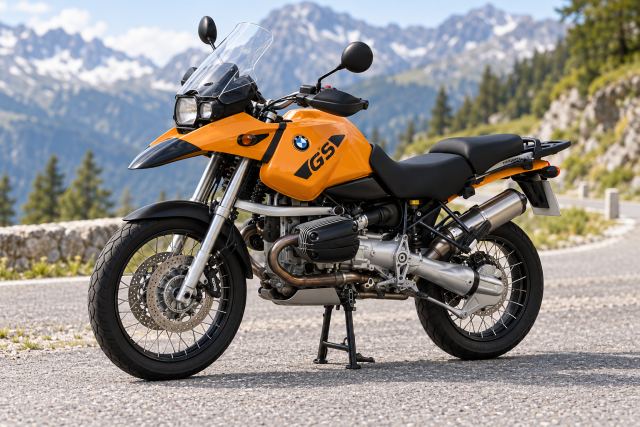
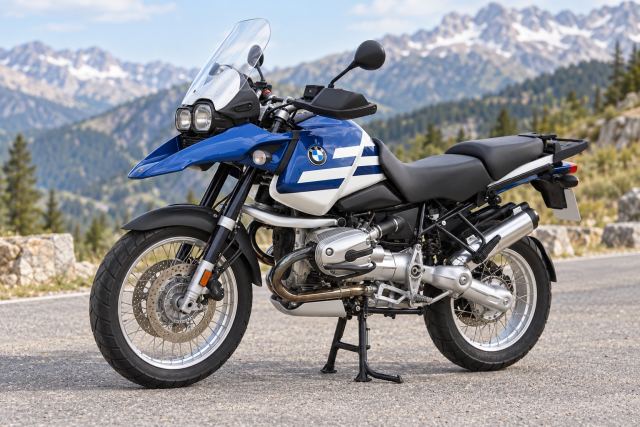 R 1150 GS
1999–2005 · 2 generations · 4 versions
X5
1999–today · 8 generations · 50 versions
F 650 GS
2000–2012 · 3 generations · 10 versions
Z4
2002–2026 · 6 generations · 29 versions
X3
2003–today · 7 generations · 60 versions
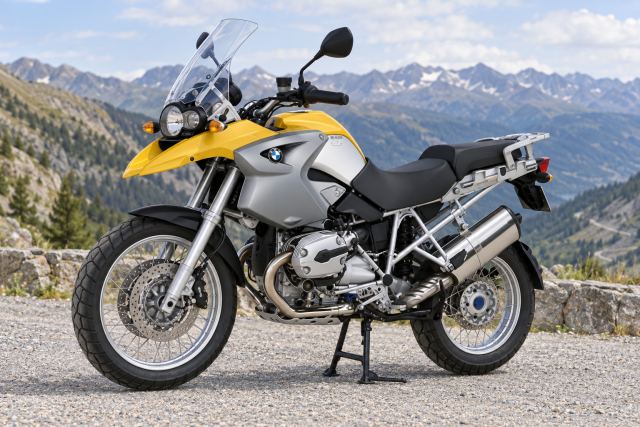
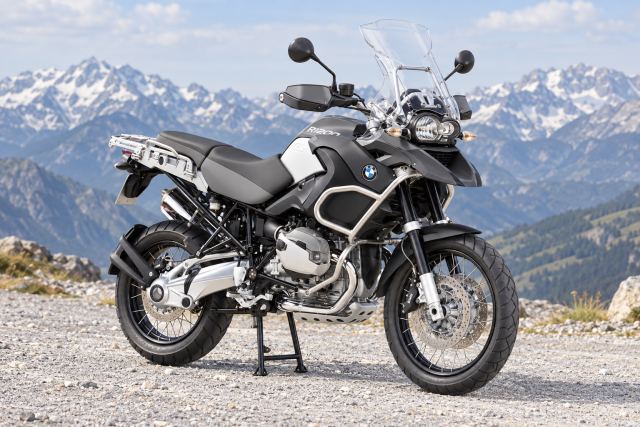
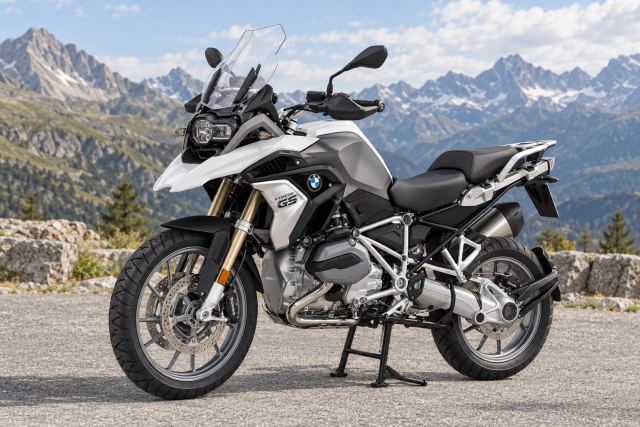 R 1200 GS
2004–2018 · 3 generations · 10 versions
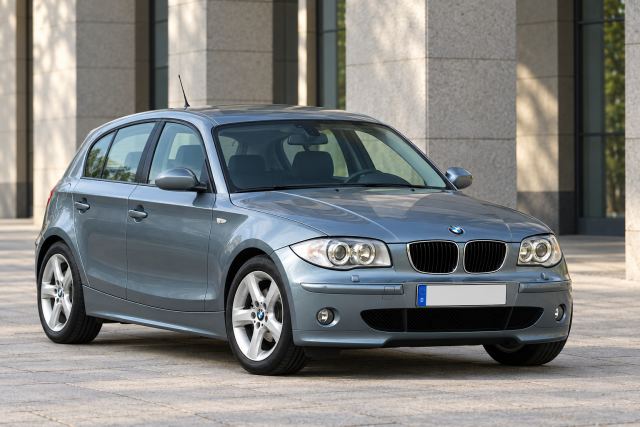
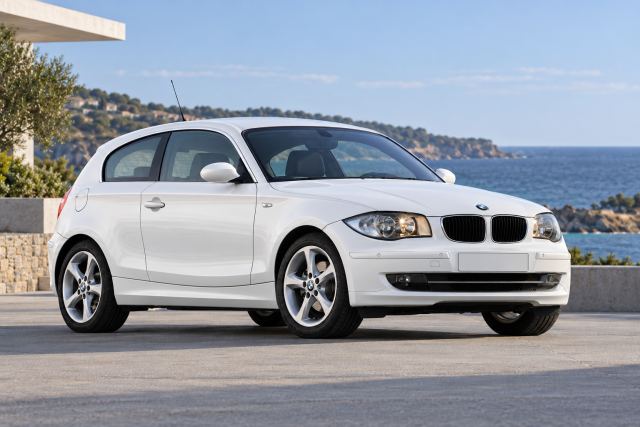
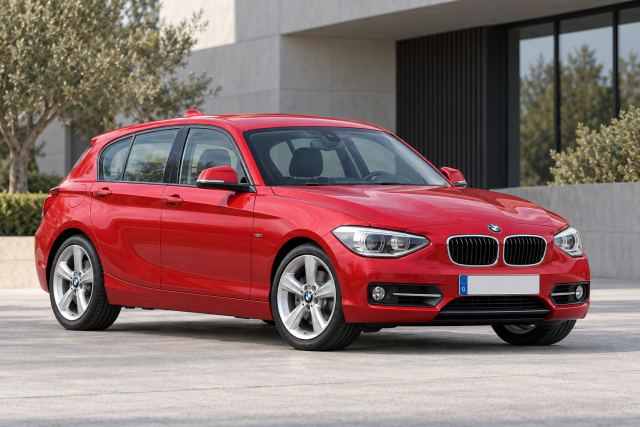
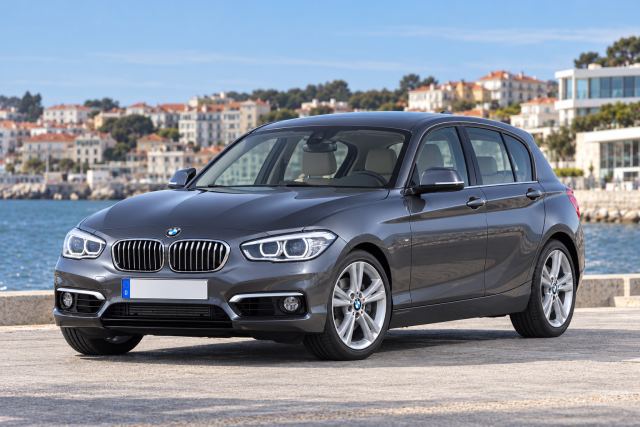
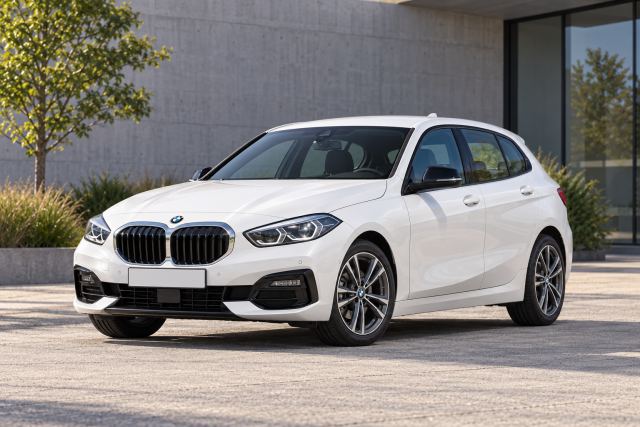
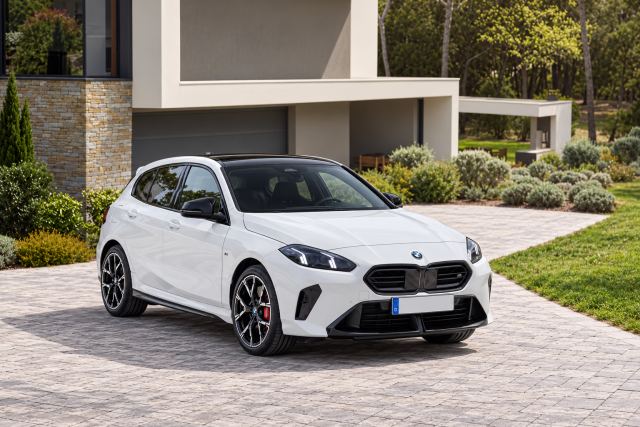 Serie 1
2004–today · 6 generations · 156 versions
F 800 GS
2008–today · 3 generations · 13 versions
X6
2008–today · 5 generations · 35 versions
X1
2009–today · 5 generations · 57 versions
F 700 GS
2013–2018 · 2 generations · 4 versions
Serie 2
2013–today · 12 generations · 113 versions
Serie 4
2013–today · 6 generations · 129 versions
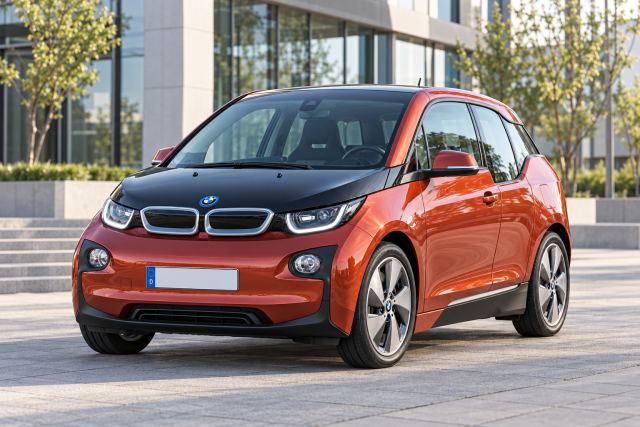
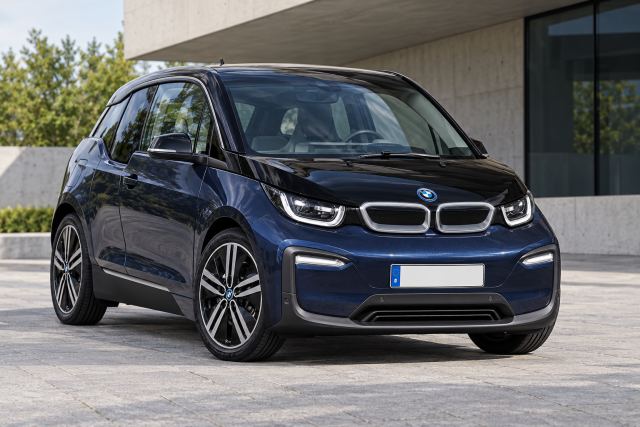 i3
2013–2022 · 2 generations · 10 versions
R nineT
2014–2024 · 3 generations · 11 versions
i8
2014–2020 · 2 generations · 3 versions
G 310 R
2016–2025 · 2 generations · 2 versions
G 310 GS
2017–2025 · 2 generations · 2 versions
C 400 X
2018–today · 3 generations · 3 versions
F 750 GS
2018–2023 · 1 generation · 4 versions
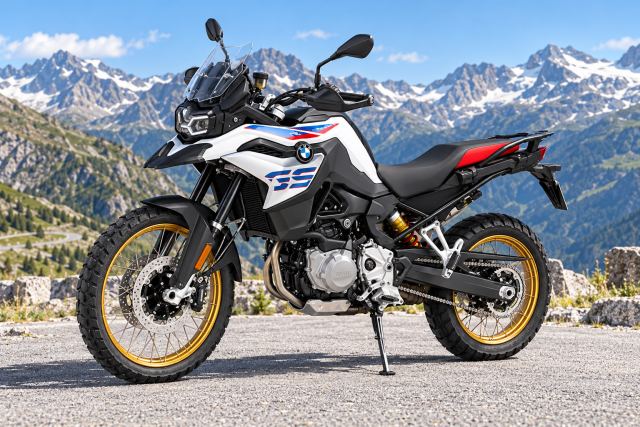 F 850 GS
2018–2023 · 1 generation · 8 versions
C 400 GT
2019–today · 3 generations · 3 versions
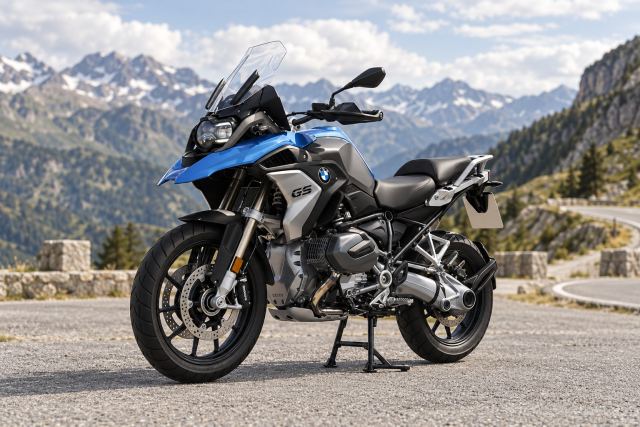
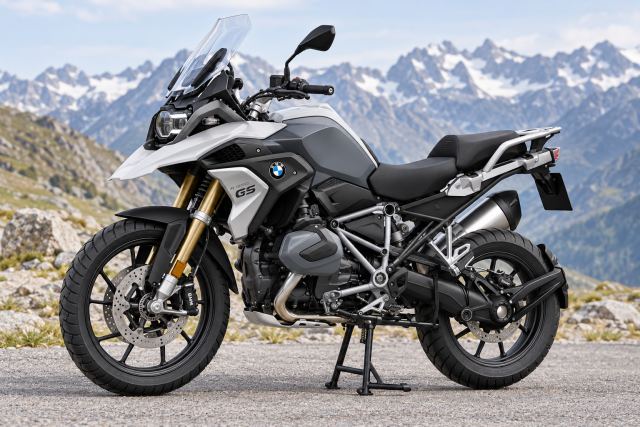 R 1250 GS
2019–2024 · 2 generations · 5 versions
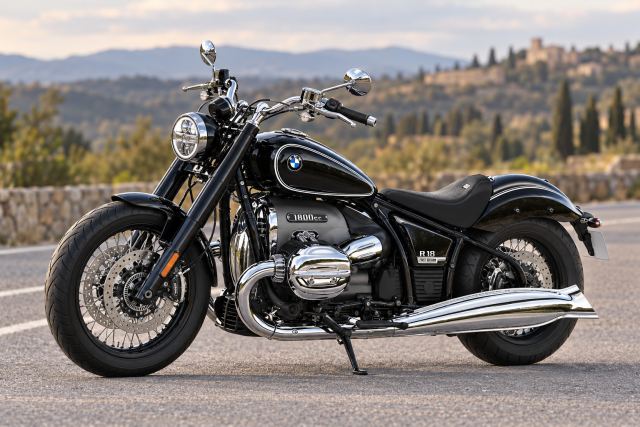
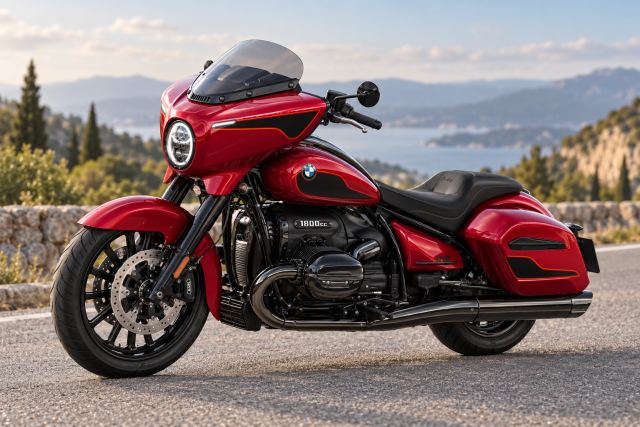 R 18
2020–today · 2 generations · 11 versions
i4
2021–today · 2 generations · 8 versions
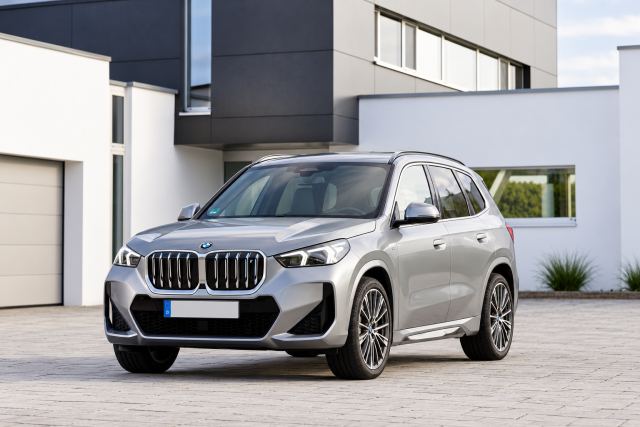 iX1
2022–today · 1 generation · 4 versions
R 1300 GS
2023–today · 1 generation · 3 versions
F 900 GS
2024–today · 1 generation · 4 versions
BMW history year by year
The brand’s milestones, its logo changes and the launch of every generation of its models.
The 1910s
It starts with aircraft
Aircraft maker Bayerische Flugzeugwerke (BFW) is founded. BMW treats this date as its official founding.
The BMW name is born
After its founder leaves, aircraft-engine maker Rapp Motorenwerke is renamed Bayerische Motoren Werke. In 1918 it becomes a public limited company, BMW AG.
The 1920s
The name moves to BFW
After a few years as a Knorr-Bremse subsidiary, businessman Camillo Castiglioni buys back the BMW name and gives it to Bayerische Flugzeugwerke, the origin of today’s BMW AG.
The first motorcycle, the R 32
BMW builds its first motorcycle, the R 32, with a flat-twin boxer engine.
Eisenach and the first car
BMW buys Fahrzeugfabrik Eisenach, maker of the Dixi, a licence-built Austin 7. Its first car, the 3/15, is that same Dixi wearing the BMW badge.
The 1930s
Six cylinders and the kidney grille
The BMW 303 is the brand’s first car with a six-cylinder engine and the first with the kidney grille.
Aircraft engines in wartime
During the Second World War BMW stops building cars and concentrates on aircraft engines such as the BMW 801, using tens of thousands of forced labourers, mostly concentration camp prisoners from camps such as Dachau.
The 1940s
Starting over
The Eisenach plant ends up in Soviet hands and goes on to build cars under the EMW name. In Munich, BMW survives by making pots, pans and bicycles, and restarts motorcycle production in 1948.
The 1950s
From the 501 to the Isetta
BMW returns to car-making with the 501 luxury saloon. In 1955 it starts building the Isetta microcar under licence.
Staying independent
In debt and losing money, BMW comes close to merging with Daimler-Benz, but the shareholders’ meeting blocks it. Brothers Herbert and Harald Quandt become its largest shareholders.
The 1960s
The New Class
The “New Class” saloons secure the company’s survival, and the New Class coupés introduce the “Hofmeister kink”, the bend in the rear side window found on almost every BMW since.
The 1970s
5 Series and the Munich tower
The 5 Series replaces the New Class and is the first to use the word “Series” and three-digit model names. The same year the Munich headquarters is finished, in time for the Olympic Games.
BMW Motorsport is founded
BMW Motorsport GmbH is set up in May with 35 staff. Its first road car is the 1978 M1, and since 1993 it has been called BMW M GmbH.
The 3 Series arrives
The first 3 Series (E21) replaces the 02 Series. Over the years it becomes BMW’s best-selling model line.
The 7 Series
The first 7 Series (E23) replaces the E3, the brand’s large six-cylinder saloon.
The 1980s
The first GS
The R 80 G/S (“Gelände/Straße”, off-road/road) starts the GS family of dual-sport motorcycles. Prepared versions of it win the Paris–Dakar in 1981, 1983, 1984 and 1985.
The 1990s
Buys Rover
BMW buys Britain’s Rover Group, which includes Mini. The deal brings heavy losses, and in 2000 BMW sells off almost all the brands, keeping only Mini.
Rolls-Royce comes to BMW
BMW secures the rights to the Rolls-Royce name and logo. Since 2003 it has built the cars at Goodwood, England, starting with the Phantom.
The 2000s
The new MINI
The new MINI, developed by BMW and built in Oxford, goes on sale in July.
A rear-wheel-drive hatchback
The 1 Series arrives, a hatchback with rear-wheel drive, rare in its segment. In 2019 the third generation switches to front-wheel drive.
The R 1200 GS
It replaces the R 1150 GS and is 30 kg lighter. By 2007 it is BMW’s best-selling motorcycle, and in 2011 BMW Motorrad’s two-millionth motorcycle is an R 1200 GS.
The 2010s
The i3, first production EV
The i3 is BMW’s first mass-produced electric car. It stays in production until 2022.
The 2020s
A flat logo
BMW unveils a flat version of its logo, with no 3D effects or black outline. It is used for brand communications, not on the cars.
A new Neue Klasse
At the Munich Motor Show it unveils the new iX3, the first BMW of the electric “Neue Klasse” generation.